

A sideways look at economics
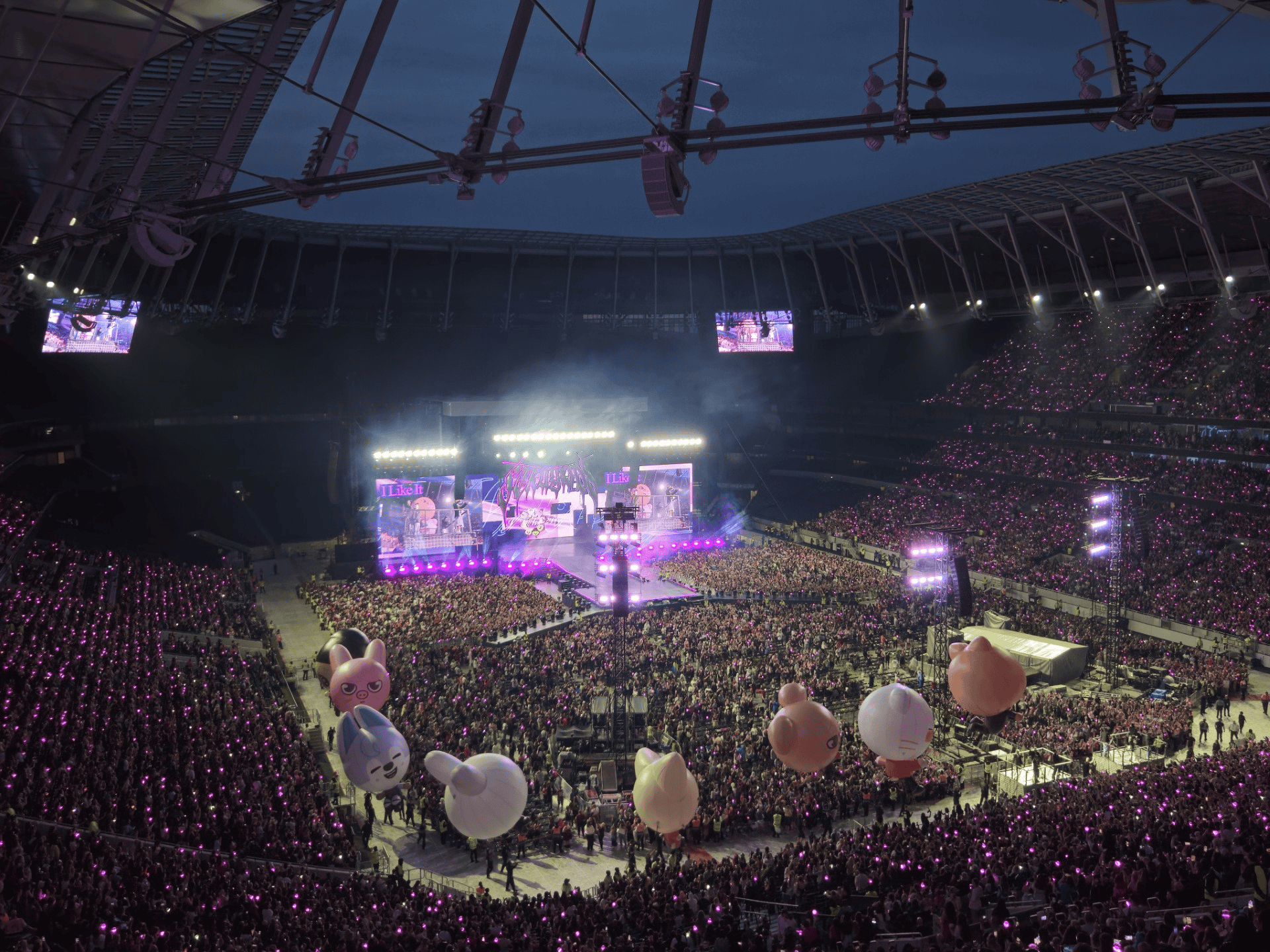
If you’ve attempted to buy a ticket to see your favourite artist live in the last few years, you’ll know that you’ll have to navigate the infamous ‘Ticketmaster war’. This highly competitive online scramble to beat the bots and the other fans to the ticket you want usually ends with you forking out considerably more than you originally meant, even for the worst seat in the stadium. To add insult to injury, someone on Twitter will somehow manage to score tickets for every single night of the tour without apparent effort, while predatory scalpers will get their hands on more tickets than they should and will prey on the unlucky by selling them for triple the price. How did ticket buying become such a battleground?
Economic theory often assumes that consumers are rational and take actions in order to maximise their utility under conditions of perfect information. However, the process of buying concert tickets challenges these assumptions. Concert tickets are scarce; there tends to be only one concert, and you don’t know when or if another one will happen. Live music occupies an unusual market in which close substitutes do not exist; consumers cannot simply replace one artist or tour with another in the same way they may switch between different petrol stations or supermarket brands. Often, it seems as if the fear of missing out can overwhelm normal price sensitivity – making purchasing decisions driven more by emotion than by rational economic calculation.
On top of this, ticketing platforms have become very adept at leveraging insights from behavioural economics. Ticket purchasing is designed in a way that manufactures a sense of urgency: consumers are placed in hours-long queues with thousands of others and, when they are eventually allowed to enter the site, they encounter a battery of countdown timers and notifications warning that tickets are selling fast, all designed to encourage rapid decision-making. These techniques can cause consumers to deviate from rationality and allow platforms to extract greater revenue from them.
One technique that has attracted attention from regulators involves platforms strategically separating the cost of buying the ticket into multiple stages, such as service charges, processing fees, and other additions that are added at checkout. A ticket may have additional fees anywhere between 10-25% and in some cases, even more. This is a technique formally known as ‘drip pricing’, where an initial base price is presented to the consumer with additional fees drip fed in during the buying process. A 2023 report from the Department for Business and Trade[1] found that 93% of providers were using drip pricing. Below is a breakdown from a ticket I recently bought where the original £90 ticket rose to around £105 once additional charges are applied, meaning the marketed base ticket price was only 87.4% of the final price paid at checkout.

Drip pricing tends to be effective as, by the time they reach the checkout, consumers have already invested significant time waiting in online queues and selecting their seats, creating a sunk cost in time allocated. This combines with loss aversion, where having beaten the queue and other fans to the prized ticket(s) you perceive the ticket as already yours and your ownership a reference point ‒ and so by not completing the purchase it would lead to an outcome more ‘painful’ than the original value you placed on the ticket. Together, these factors reduce the likelihood that consumers will abandon the purchase, despite the prices being higher than initially expected, as the loss from not having the tickets is far larger than the loss from spending the 12% extra on additional mandatory fees.
Drip pricing was prohibited in the UK as of 1 January 2025 under the Digital Markets, Competition and Consumers Act 2024 (DCCMA 2024) to protect consumers’ interests,[2] yet the experience of ticket buyers suggests that certain platforms may be continuing to leverage techniques to increase their revenues. Some ticket providers have come under suspicion by the Competition and Markets Authority (CMA) of finding loopholes by instead adding fees which cannot be calculated before checkout (such as delivery fees).[3] As a result, the CMA launched investigations in late 2025 which are still ongoing. On 23 June 2026, StubHub was fined £900,000 by the CMA for charging additional fees and must compensate over 51,000 fans with an average payout of £10 per transaction.[4]
Dynamic pricing has also been a point of controversy. This practice is when ticketing companies hike prices above the face value of the ticket in real time in an attempt to increase their revenues in line with some of the excessive prices charged by ticket resellers and secondary ticketing websites. Under this model, prices fluctuate continuously according to real-time demand conditions, similar to markets such as aviation and ride-sharing. Pricing algorithms are based on a range of factors including historical sales data, the number of remaining seats at each price point, resale values and the prices charged by secondary sellers, as well as seasonal events and holidays.[5] This makes demand meet supply by increasing the price of tickets for consumers at checkout. Dynamic pricing for live music is heavily regulated in the UK following the Oasis scandal in 2024 and if being used must be stated a minimum of 24 hours beforehand with a disclaimer such as “prices may vary”.
Many have argued that the industry also faces a structural lack of competition that could be affecting prices. A federal jury ruling on 15 April 2026 found that Live Nation had been operating a monopoly, as it controlled 86% of the market for concert tickets through its subsidiary, Ticketmaster. In addition, Live Nation controls 70% of major venues via exclusive arrangements. As a result of the ruling, the company now faces pressure to divest parts of its operations to reduce market concentration and increase competition. This ruling may lead to a more efficient market with higher service quality going forward – perhaps in the form of a smaller competitor emerging with a more innovative method of selling tickets to the benefit of fans (i.e. without scalpers being able to grab hold of tickets to resell them) – but it seems unlikely that prices overall will reduce.
So, when examining why music fans buy expensive concert tickets, it is necessary to focus more on behavioural (rather than classical) economic assumptions, due to both the fundamental structure of the market and elements manufactured by platforms. While regulatory efforts and jury rulings signal the growing recognition of these issues, enforcement gaps and structural loopholes allow platforms to continue capturing value at the expense of consumers. Demand for live music will always be swayed by inelastic demand for major artists. And so, despite complaints about rising prices, it’s likely we’ll carry on buying expensive concert tickets and ticket sellers will continue to make excessive profits.
More from Thank Fathom It’s Friday
Cracking the cost of Easter eggs
Coffee with a different kind of Perk
[1] https://assets.publishing.service.gov.uk/media/64f1ebd7a78c5f000dc6f448/estimating-the-prevalence-and-impact-of-online-drip-pricing.pdf
[2] Ticket sellers now have to advertise the full ticket price including service charges, i.e. £105, rather than £90 + fees.
[3] https://www.gov.uk/government/calls-for-evidence/putting-fans-first-call-for-evidence-on-pricing-practices-in-the-live-events-sector/putting-fans-first-call-for-evidence-on-pricing-practices-in-the-live-events-sector-html
[4] https://news.sky.com/story/stubhub-uk-ordered-to-refund-50k-customers-and-fined-nearly-900k-13556941
[5] https://www.pricefx.com/learning-center/ticketmasters-dynamic-pricing-what-it-is-and-how-it-works